
In Praise of Shadows
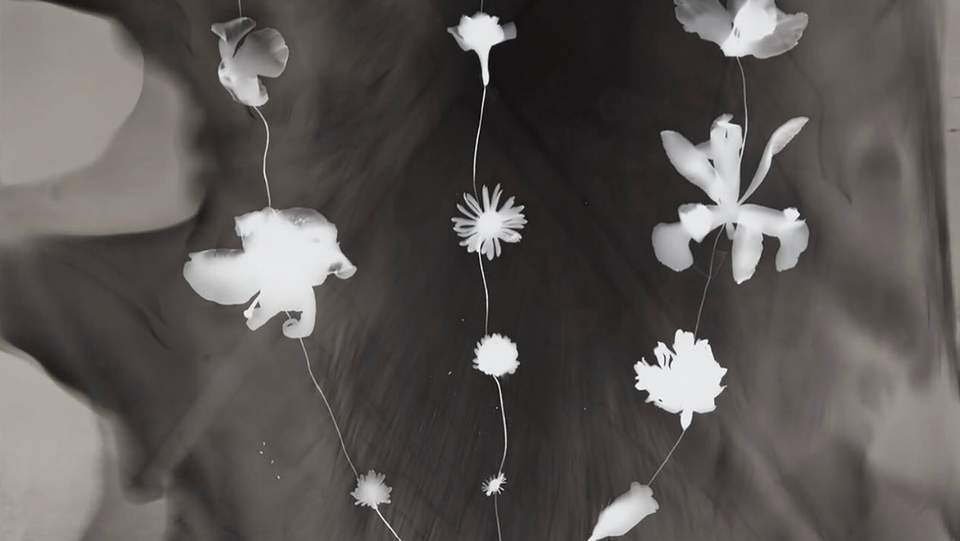
Hello,
There's a corner of my living room where the late afternoon light never quite reaches. It’s not dark, just perpetually in that state of soft refusal. A ceramic vase sits on a low shelf, its surface catching just enough light to suggest depth without revealing it. I've thought about moving it into better view a dozen times. I never do.
Junichiro Tanizaki would understand this hesitation. In his 1933 essay In Praise of Shadows, the Japanese novelist makes the argument that beauty doesn't emerge despite darkness, but because of it. That there are entire aesthetic universes, entire ways of knowing, that can only exist in conditions of deliberate obscurity. He writes lovingly of lacquerware that "seems to vanish into the darkness" of a traditional tearoom, its presence felt more than seen. Of how electric light "destroys the softness of shadows" that Japanese interiors depend on. Of toilets as spaces of contemplation because they're withdrawn from illumination.
It’s easy to dismiss this as another aesthetic complaint about modernity. But Tanizaki isn't arguing for a return to candlelight. He's identifying something we're still losing—the recognition that not everything benefits from exposure. That some forms of beauty, knowledge, and meaning require dim conditions to survive at all. What if what we need isn't constant illumination, but better conditions for discernment?
— Courtney
P.S. If you're new here, welcome. We share stories from the edges of transformation, illuminating the thresholds between emerging technologies and enduring human values. Each month we explore one of four dimensions - culture, craft, ecology, futures.